How ‘destination stewardship’ succeeds where ‘sustainable tourism’ stumbled
Insights — 13 June 2024
by Chris Fair, President & CEO, Resonance

Insights — 02 October 2025
by Kyla Egan, Resonance Destination Consultant

Photo: Nicole Pointon
We often discuss climate change as if it remains on the horizon, something that will arrive “one day.” But for destinations around the world, that day has already come. The question is no longer whether the climate is changing, but how quickly destinations and the tourism systems that support them can adapt.
Tourism has always counted on predictable weather patterns and seasons. This reliability shaped when people traveled and what they expected to find. But that reliability is fading, and destinations must now confront a new reality in which climate shapes every aspect of the tourism experience.
The tourism industry has grown comfortable discussing “climate change” as a distant threat, something to prepare for in the coming decades. This framing does a profound disservice to destinations already grappling with climate shocks. The difference between “climate change” and “climate reality” isn’t just terminology, it’s the difference between abstract planning and immediate action.
Climate reality is what communities are experiencing now: infrastructure failures during extreme weather, cancelled outdoor events due to heat warnings, and economic losses when natural disasters disrupt tourism seasons. It’s the immediate, tangible impact that forces destinations to make hard choices about visitor safety, infrastructure investment, and economic survival.

The numbers tell a stark story. A 2024 study from China finds that for every 1°C increase in average temperature, international tourist arrivals drop by 8.09%, while tourism revenue falls by 6.04%. In the Caribbean, a 10 percentage-point rise in climate change vulnerability is linked to a 9 percentage-point decline in tourism earnings per visitor, equalling a 10% drop in tourism’s share of GDP.
Between 2000 and 2019, the U.S. ski industry lost a staggering $5 billion due to human-caused climate change, with projections showing annual losses of $1 billion by mid-century if warming continues. Nearly 68% of Australia’s top tourism sites, from the Great Ocean Road to Uluru, are facing major climate risks that could eliminate up to 176,000 jobs and AUD $2.8 billion in economic output.
While mitigation efforts may slow the pace of change, the warming already embedded in our atmosphere will continue to unfold for the rest of our lifetimes and beyond, demanding adaptation now.
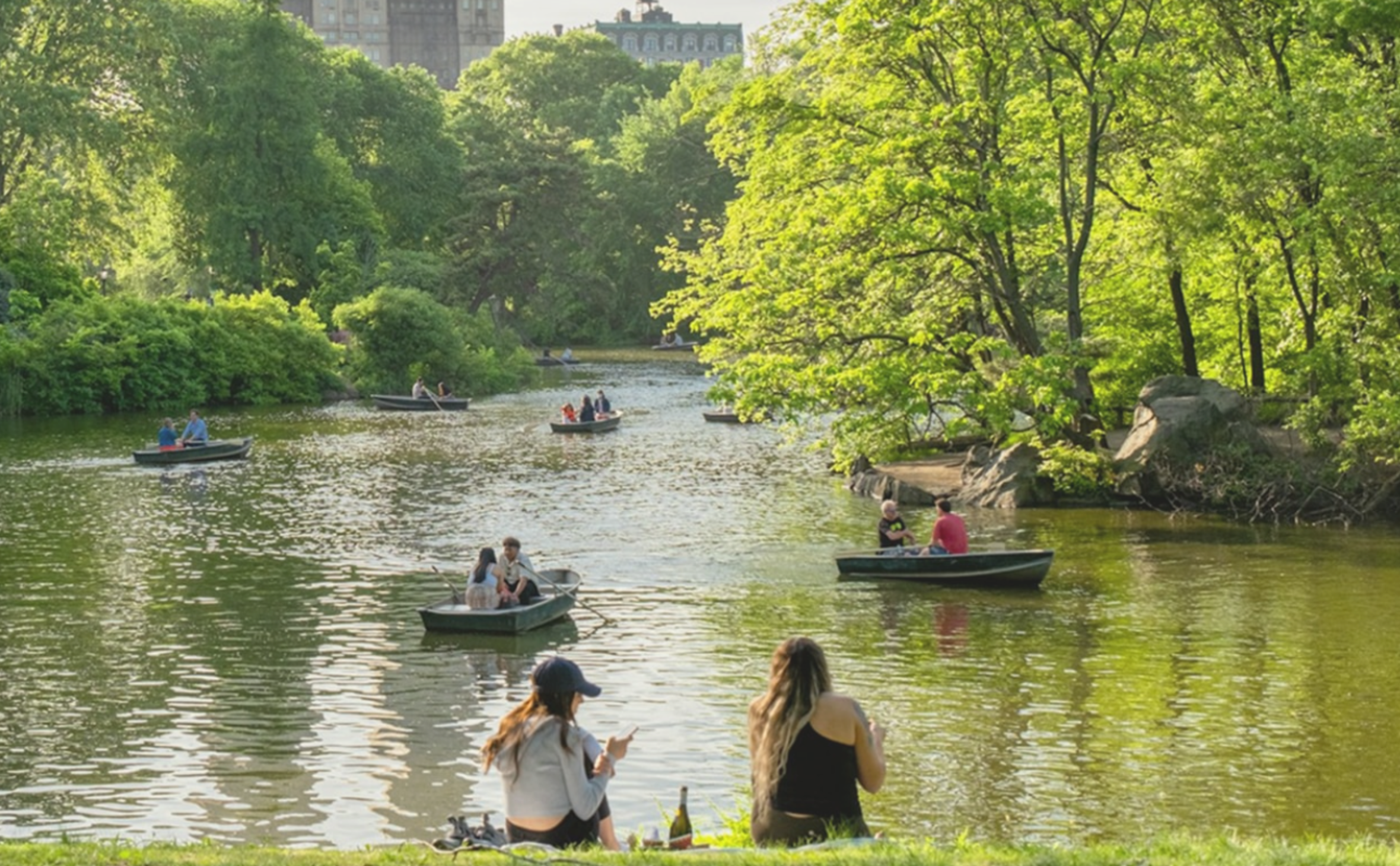
While mountain and oceanfront destinations might appear to be most at risk, cities also sit on the frontlines of this new climate reality. They experience intensified heat, increased flooding risk, and strain on essential services that millions of visitors depend on. Over 80% of international trips involve urban destinations, making cities the testing ground for climate-smart tourism.
Climate action falls into three interconnected categories, each shaping destinations in different ways:
Mitigation focuses on global emissions reduction: while cities contribute to this effort through policies and infrastructure, they cannot solve the climate crisis alone. For tourism, mitigation means cleaner transportation, energy-efficient buildings, and carbon-conscious travel patterns: critical work that operates primarily at sector-wide and global scales.
Resilience involves strengthening metro-level systems: infrastructure, transit networks, housing, and nature-based solutions that help cities withstand climate shocks. This work typically falls to governments, utilities, and city planners who design the backbone systems that keep urban life functioning under stress.
Adaptation is where the human experience comes into focus: place-specific changes in how people live, work, and move in response to new climate realities. For residents, adaptation determines access to cooling, safe housing, and reliable transit during extreme weather. For businesses, it influences operating conditions and costs. For example, hotels face higher energy demands, restaurants navigate supply chain disruptions, and attractions must adjust infrastructure for visitor safety. For destinations, adaptation could mean changing the visitor experience itself and the markets it targets to adapt to changing seasonality.
Destination organizations wield a unique lever of influence: people. They guide when visitors arrive, how they navigate a city, and where they spend their time, which ultimately defines the impact left behind. This gives DMOs and tourism leaders an unprecedented opportunity to drive adaptation in multiple ways:

Visitor dispersal redirects tourism pressure away from vulnerable areas and seasons, spreading economic benefits while reducing climate risks.
Case Study: Barcelona’s Heat Action Plan
When temperatures soar above 32°C (89°F), Barcelona activates a comprehensive visitor safety protocol. The city redirects tourists from exposed outdoor attractions to air-conditioned museums, underground spaces, and shaded parks in cooler neighborhoods. Digital messaging and hotel partnerships ensure visitors receive real-time guidance, protecting both safety and satisfaction during extreme heat events.

Experience design reshapes what tourism looks like under new climate conditions, creating attractions that work with rather than against environmental realities.
Case Study: Singapore’s Climate-Controlled Nature
Singapore transformed climate adaptation into world-class attractions. Gardens by the Bay features massive climate-controlled conservatories that showcase global ecosystems while providing cool refuge from tropical heat. The city’s extensive network of air-conditioned walkways, underground connections, and indoor nature experiences allows visitors to enjoy lush greenery year-round, regardless of external weather conditions.
Visitor education helps travelers understand optimal timing and locations for their visits, ensuring both satisfaction and safety while protecting destination reputation.
Strategic alignment ensures tourism development supports broader city climate goals, creating synergies between economic development and adaptation. When this alignment is paired with innovation, adaptation becomes more than survival. It becomes a chance to create new types of experiences, strengthen communities, and lead globally in climate-smart tourism.
Case Study: Visitor Safety in British Columbia
In British Columbia, where wildfires are a recurring seasonal challenge, regional destination management organizations have made visitor safety a priority. Through their websites and social media channels, travelers can access real-time updates on wildfire activity, road closures, and emergency alerts, sourced directly from agencies like EmergencyInfoBC and DriveBC. Providing clear, timely information helps visitors make safe decisions, eases pressure on emergency responders, and protects the region’s tourism reputation during climate-related disruptions.
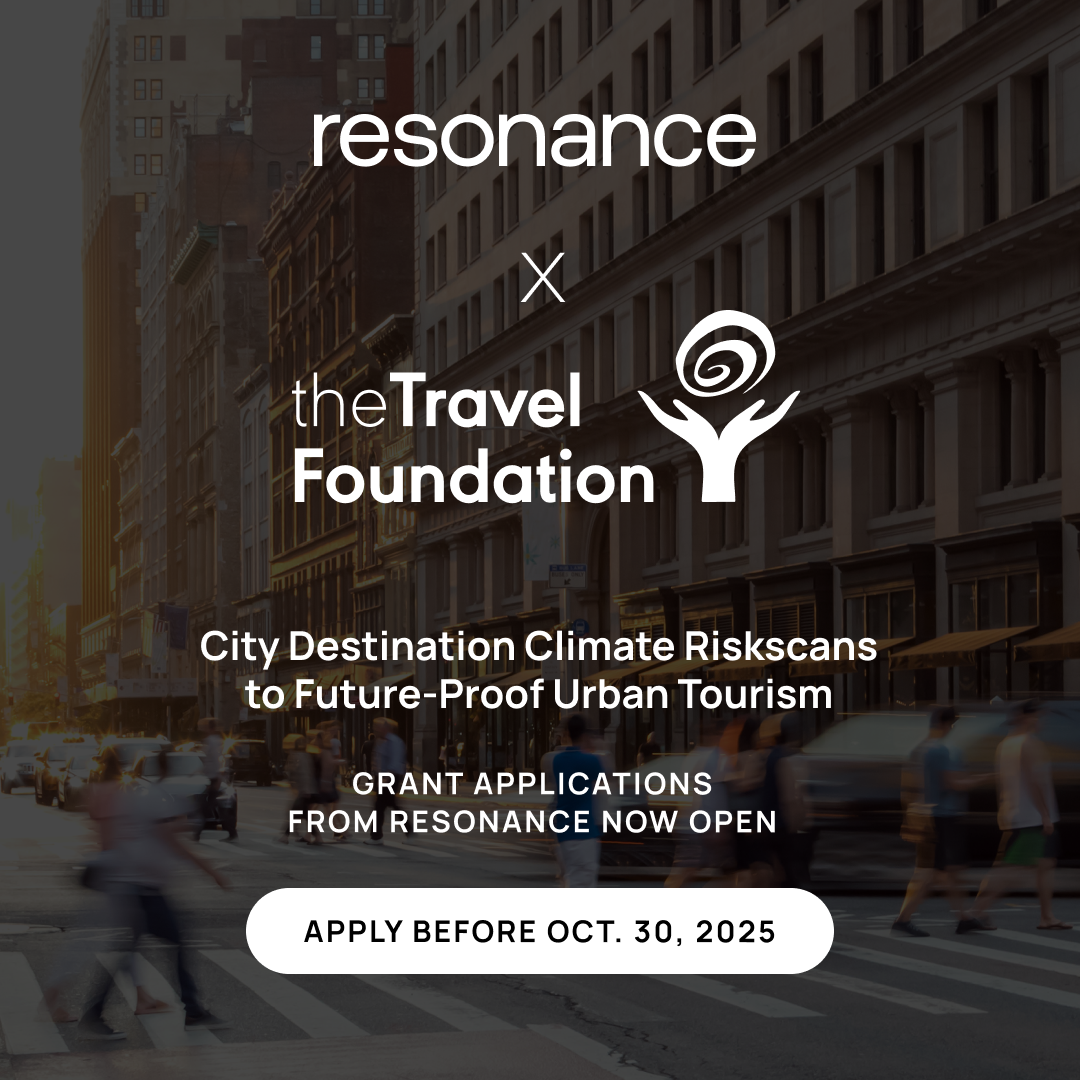
Recognizing that destinations need practical tools to navigate this new climate reality, Resonance has partnered with the Travel Foundation, and an alliance of international academic and industry partners, to develop City Destination Climate RiskScans – structured assessments that help cities understand their specific climate risks to tourism.
The RiskScans deliver concrete decision-making tools, adaptation pathways, and strategic alignment with broader city resilience plans. They offer DMOs a realistic lens on both risk and opportunity, equipping them to:
The RiskScans create tangible ROI by helping destinations avoid costly missteps, strengthen competitiveness, and attract investment by demonstrating preparedness. In a world where climate risks are becoming pricing factors for everything from insurance to investment, these assessments help DMOs and cities future-proof tourism against rising uncertainty.
Recognizing the urgency of climate adaptation, Resonance is committing to donate 1% of our company revenue to support climate-smart tourism initiatives. To start, we are funding £5,000 grants for up to three cities to participate as the inaugural pilot RiskScan program.
Applications are now open, inviting cities to explain why climate action is essential to their destination’s future. The winners will be announced in late November 2025, marking the beginning of a new approach to climate-smart tourism planning.
Multiple cities will take part in the first wave of ClimateRisk Scans, forming a cohort of leading destinations committed to climate adaptation. Destinations interested in joining this wider program are invited to contact the Travel Foundation directly for details on how to participate.
Grant Opportunity: Apply for the chance to secure a partial grant for the Climate RiskScan program.
Learn More About the Program: Contact Resonance if your destination would like to learn more about participating in the Climate RiskScans.
Support the Effort: Help us spread the word about this initiative. If you know destinations that would benefit from climate risk assessment, we’d love to connect with them.
The tourism industry has always been about connecting people with places. Today, that connection can also guide how we respond to a changing climate. By embracing adaptation, destinations can better protect what makes them special, support the communities that depend on tourism, and continue offering experiences that inspire visitors well into the future.
Applications for the grant close October 30, with the winner announced by late November.
Insights — 13 June 2024
by Chris Fair, President & CEO, Resonance
Insights — 29 October 2024
by Chris Fair, President & CEO, Resonance